The Initial Post-Op Recovery Session
"Whether you are planning your surgery, recovering from it, or still dealing with results that never looked the way you expected, we meet you exactly where you are. Every phase of your surgical journey has a place here."
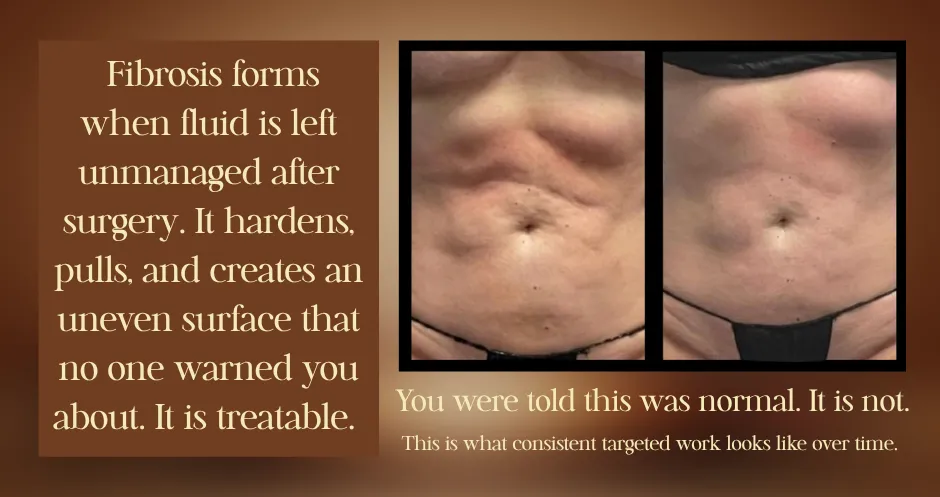
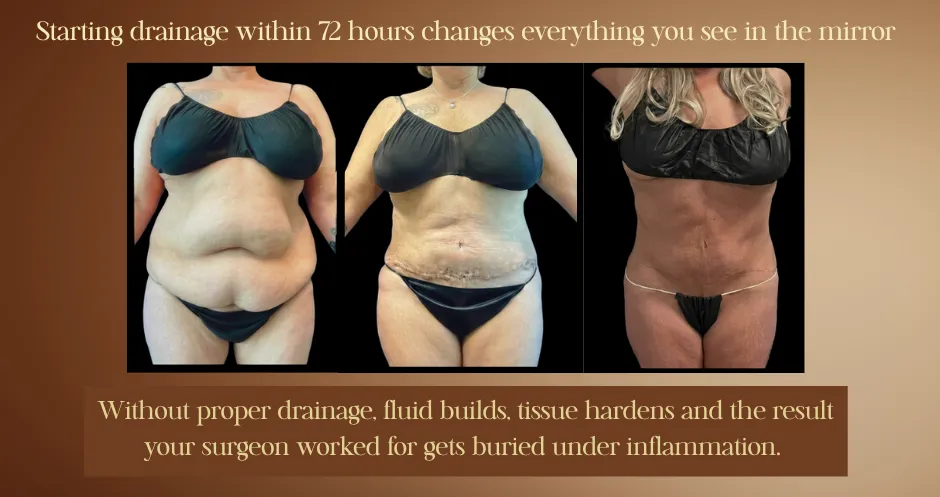
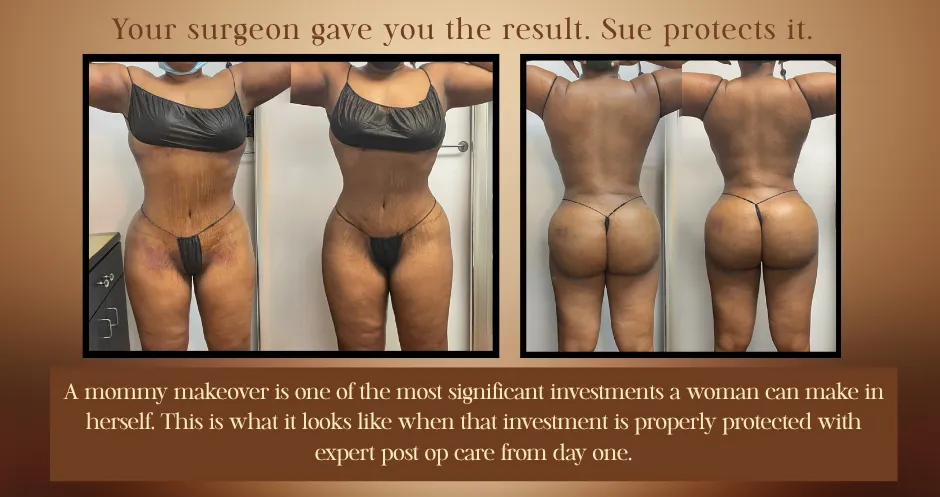
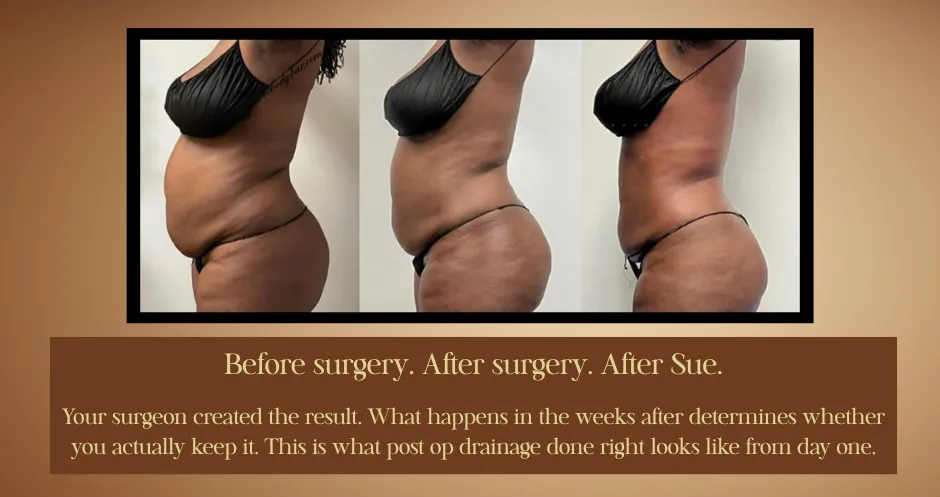
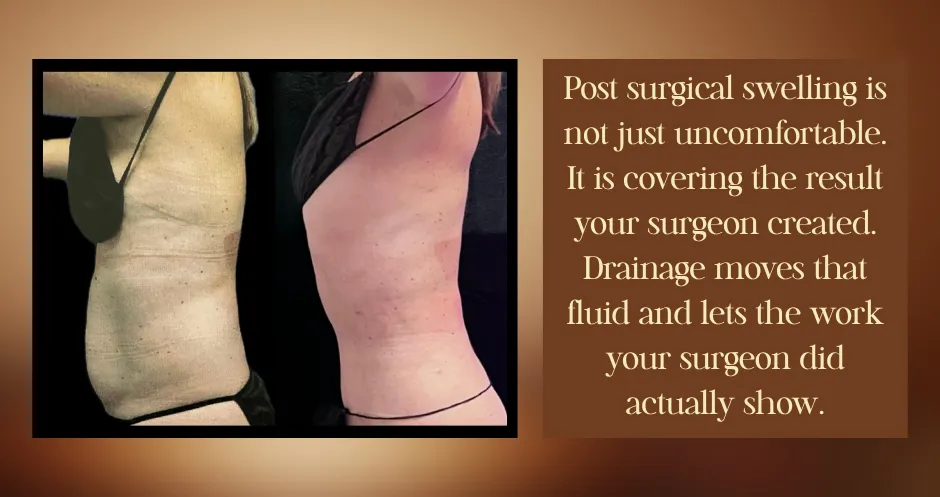
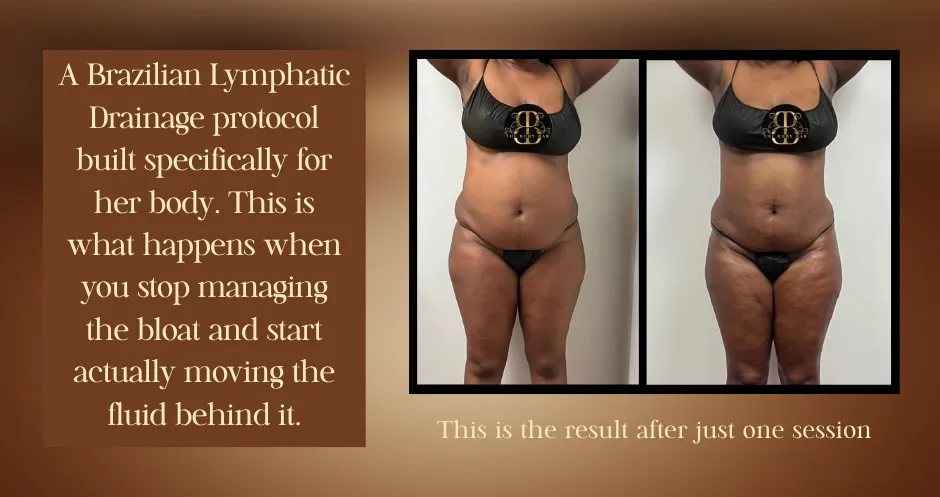
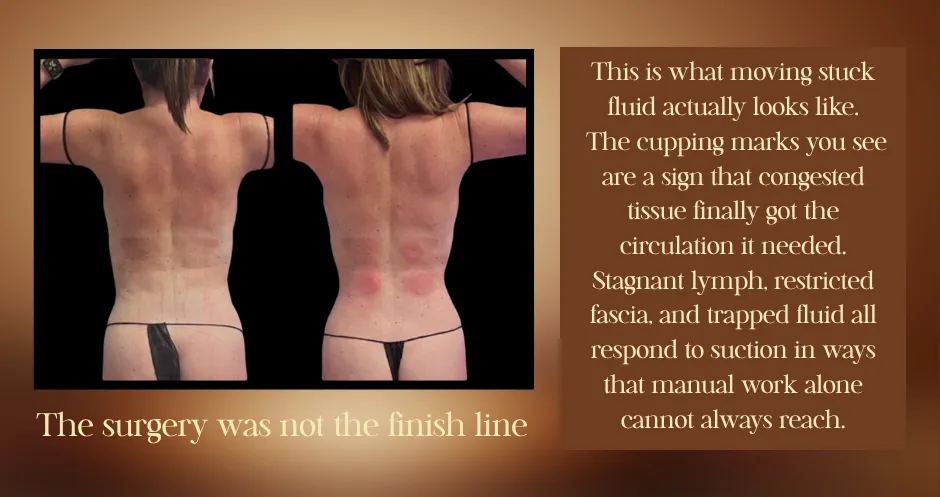
Sue has worked with post surgical clients at every stage of healing, from the first days after surgery to clients who come in one, two, even three years later with fibrosis that has been dismissed, mismanaged, or simply never addressed. It is rarely too late. But it is always better to start early.
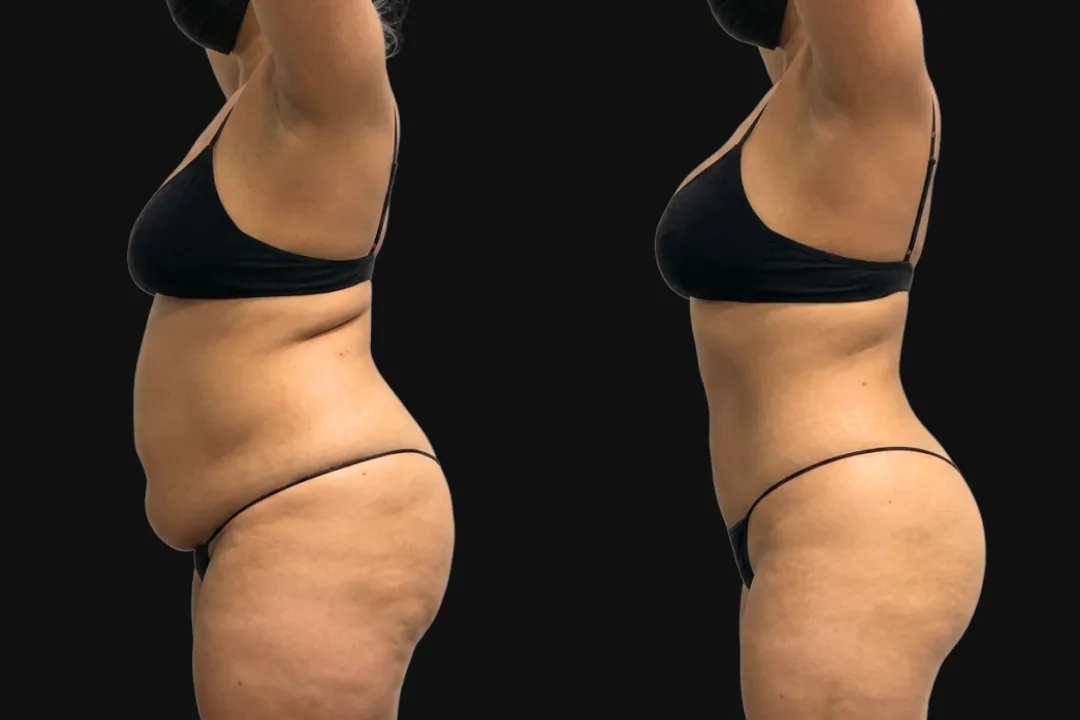
Your surgical result is not finished when you leave the operating table. The weeks that follow are where that result is either protected or compromised. Swelling, fluid buildup, and stagnant lymph are a normal part of healing after liposuction, lipo 360, tummy tucks, BBL, and mommy makeovers. What is not normal is leaving that fluid unmanaged.
When lymphatic fluid is not moved properly after surgery it does not just cause swelling. It hardens. It forms fibrosis, the dense, lumpy scar tissue that creates an uneven surface, a pulling sensation, and results that do not match what your surgeon delivered in the operating room. Leading Miami surgeons recommend beginning lymphatic drainage within 24 to 72 hours of your procedure. The earlier the fluid moves, the less opportunity it has to settle and harden.
Your First Session
Your initial post op recovery session is 90 minutes. We begin with a 30 minute consultation to review your surgical sites, understand your surgeon's protocol, assess your compression garment fit, and answer your questions honestly. That conversation shapes everything that follows.
Then 60 minutes of expert manual lymphatic drainage, tailored specifically to your procedure and your stage of healing. Sue works with your body, not against it, using techniques calibrated to where you are in recovery, not a one size fits all protocol.
Every session after that is built around your feedback and your progress. The tools Sue incorporates, which may include photobiomodulation, red light therapy, compression therapy, subdermal work, and more, are chosen based on what your body actually needs at that stage of healing.
How many sessions
Every recovery is different and the number of sessions you need depends on your procedure, your stage of healing, and how your body responds. When you book your appointment, Mariana will walk you through an intake consultation to learn about your surgical procedure and help determine how many sessions make sense for your situation. From there you can purchase a package with a set number of treatments so your recovery has a real plan behind it, not just a guess. Sue will then give you her honest clinical assessment at your first session and adjust from there. No vague timelines. No surprises.
As a general guideline, most post op clients follow this framework. Days one through fourteen call for daily or every other day sessions during the most critical healing phase. Weeks three through six typically involve two to three sessions per week as swelling begins to resolve. From month two onward, weekly or biweekly maintenance supports final contouring and fibrosis prevention. Clients coming in with existing fibrosis generally need a minimum of six to ten sessions depending on severity and how long it has been present.
As a general guide
Days 1 to 14: Daily or every other day sessions during the most critical healing phase
Weeks 3 to 6: Two to three sessions per week as swelling begins to resolve
Months 2 and beyond: Weekly or biweekly maintenance to support final contouring & fibrosis prevention
Existing fibrosis: Typically 6 to 10 sessions minimum, depending on severity and how long it has been.
Compression & Fajas
Proper compression is not optional in post surgical recovery. It is half the work. What many surgical centers send patients home with is not adequate, does not fit correctly, and can actually slow healing or contribute to uneven results.
Sue is a strong advocate for proper compression garments and fajas throughout the full healing window. She will assess your current garment, advise on sizing and timing as your body changes, and guide you through the transition between compression stages. This is not a conversation most providers take the time to have. It is one of the reasons Sue's clients heal differently.
Post-surgical fibrosis
Fibrosis: when it has already developed
Fibrosis develops when lymphatic fluid hardens within tissue or when scar tissue builds unevenly during healing. You may notice it as firm lumps under the skin, a pulling or burning sensation, tightness that restricts movement, or an uneven surface that was not there right after surgery.
It is one of the most common secondary effects of surgery and one of the most undertreated. Many clients are told it is normal, that it will resolve on its own, or that nothing can be done. That is rarely true.
Sue treats fibrosis using a combination of manual lymphatic drainage, ultrasonic therapy, myofascial release, compression, and taping techniques. The approach is cumulative. Results build session by session as the tissue softens, circulation improves, and the body begins moving what has been stuck.
Whether you are four weeks post surgery or four years out, an honest assessment of where you are and what is possible is always the starting point.
FAQ
Who is this for?
This is for you if you are post surgical and ready to protect your results from day one, or if you are returning from surgery in Miami or another state and need expert local aftercare. It is also the right choice if you have swelling, fluid, or lumps that are not resolving on their own, if you were told your fibrosis is normal and you are not convinced, or if you had drainage sessions elsewhere that felt rushed or shallow and you want real work done. And if you are months or years post op and still dealing with hardness, unevenness, or discomfort that was never properly addressed, you belong here too.
When should I start post op lymphatic drainage?
As soon as your surgeon clears you. Leading surgeons recommend starting within 24 to 72 hours of your procedure for liposuction, BBL, and tummy tucks. The earlier you begin the better your body is able to move fluid before it has a chance to harden.
What surgeries does Sue work with?
Liposuction, lipo 360, tummy tucks, BBL, mommy makeovers, and other body contouring procedures. If you have had a procedure not listed here contact us directly and we will let you know if we can help.
Is it too late if I already have fibrosis?
In most cases no. Sue works with clients at every stage including those who are years post surgery with significant fibrosis. Results take more time and more sessions the longer fibrosis has been present, but improvement is possible in the majority of cases.
Will drainage hurt after surgery?
Let us be honest. You just had surgery. Your body is healing and some areas will be tender. Post op drainage is not a relaxing spa massage and we will not pretend it is. The pressure Sue uses is intentional and firm enough to actually move fluid. Some spots may feel uncomfortable, especially in the first few sessions when swelling is at its peak.
What it should never feel like is sharp, stabbing, or unbearable pain. Sue reads your body throughout every session and adjusts as she goes. Most clients find that even the tender moments come with immediate relief on the other side. That is your body responding to the work..
What about my compression garment?
Sue will assess your current garment at your first session. Proper compression is a critical part of your recovery and she will guide you on fit, sizing, and timing throughout your healing process.